Bernard Welt
stars and cuckoos circle his head

I’ve posted several times here about gay critics I think are fools, like Daniel Harris and Dale Peck, and shitted in passing on younger contemporaries like the dummies writing for the Whitney Review. But we are lucky to have some good ones, including some who, to judge by Goodreads, go shamefully unread!
If I had magic fame-making powers, I’d make playwright/songwriter Dan Fishback a gay household name, put Mark Merlis on the first-place pedestal, and let everyone know that we have our own still-living Roland Barthes in Bernard Welt (b. 1952).
The comparison with Barthes (read me and hear me on him) is one Welt invited in titling his perfect tiny collection of essays, Mythomania (1996) after Barthes’ Mythologies. It was published by Gary Kornblau, whose Art Issues was a magazine of art criticism that—and this is hard to imagine today, reading garbage like BOMB, Artforum, Frieze etc (readers, if there’s a magazine with good art criticism today, tell me!)—featured a lot of fun, fine writing, including many of the items that went into Mythomania as well as some of Dave Hickey’s most permanent work (read “A Rhinestone as Big as the Ritz,” Hickey’s tribute to Liberace, immediately if you haven’t already committed it to memory. It’s maybe the best thing about gay America ever written by a straight guy—not counting Roger Ebert’s screenplay for Beyond the Valley of the Dolls).
Welt, although a PhD-haver, is totally carefree about his erudition and familiarity with Theory, using the learning and ideas to charm and entertain rather than intimidate—(or worse, educate) the reader. His essays on Pee-Wee Herman and Michael Jackson, in particular, are pinnacles of a certain camp relation to pop culture. Go buy Mythomania.
But I think my favorite thing he wrote appears in a 2003 edited volume about cartoons. It’s cute little monologue from the perspective of Wile E. Coyote. If you wanted to get Serious, you could say Welt puts in Wile E. in conversation with Huysmans (the title of the essay nods to the English title of A Rebours), Shestov (“all things are possible” & parable of the pike), Camus (the myth of Sisyphus), Zeno (the paradoxes of motion), and Beckett (the end of the piece, with its short grim determined repetitive sentences on resolute persistence despite existential futility could be out of one of the Three Novels)—but in such a silly, light way you can ignore how smart this confection is. I yearn for such sprezzatura!
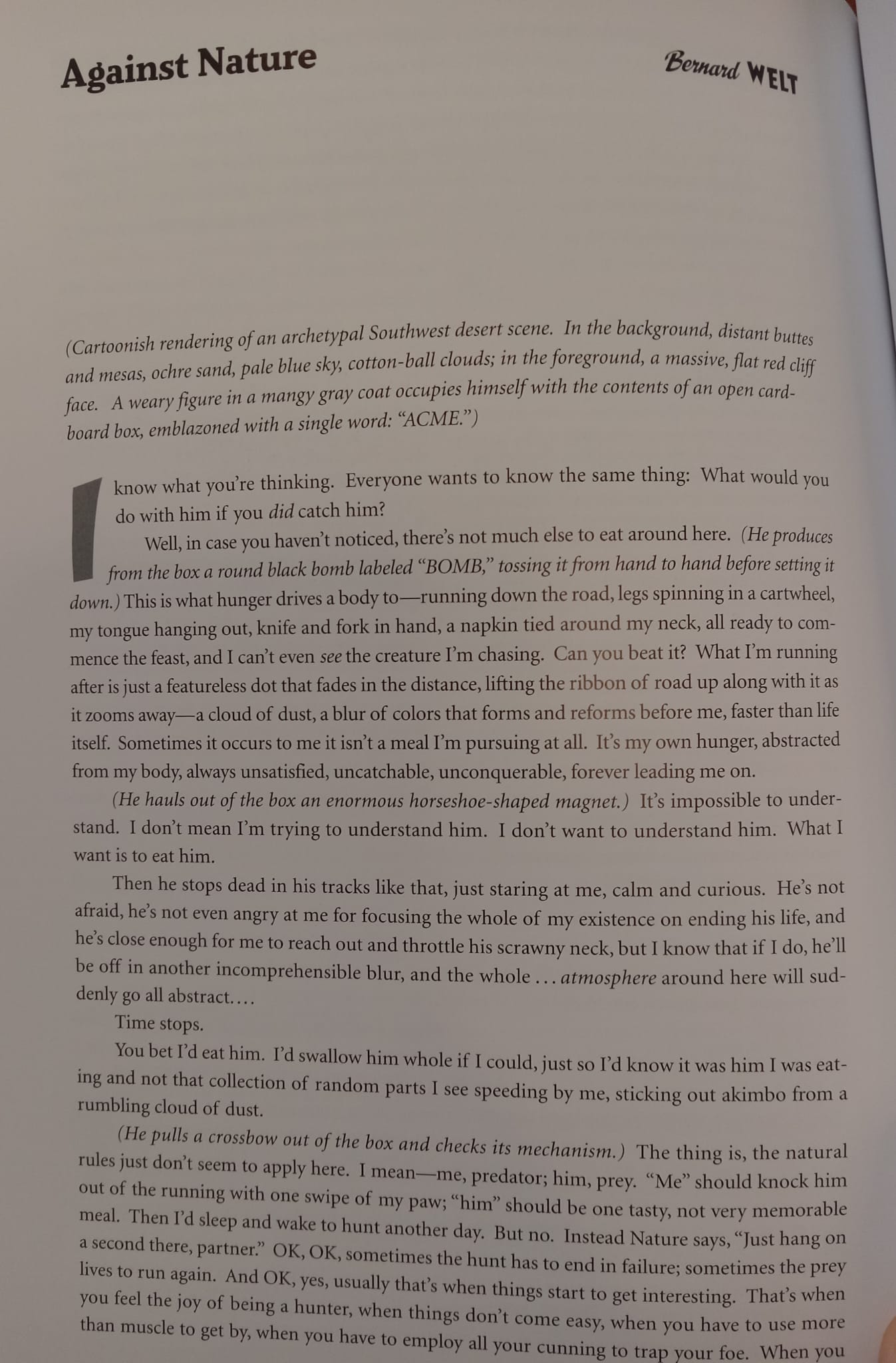
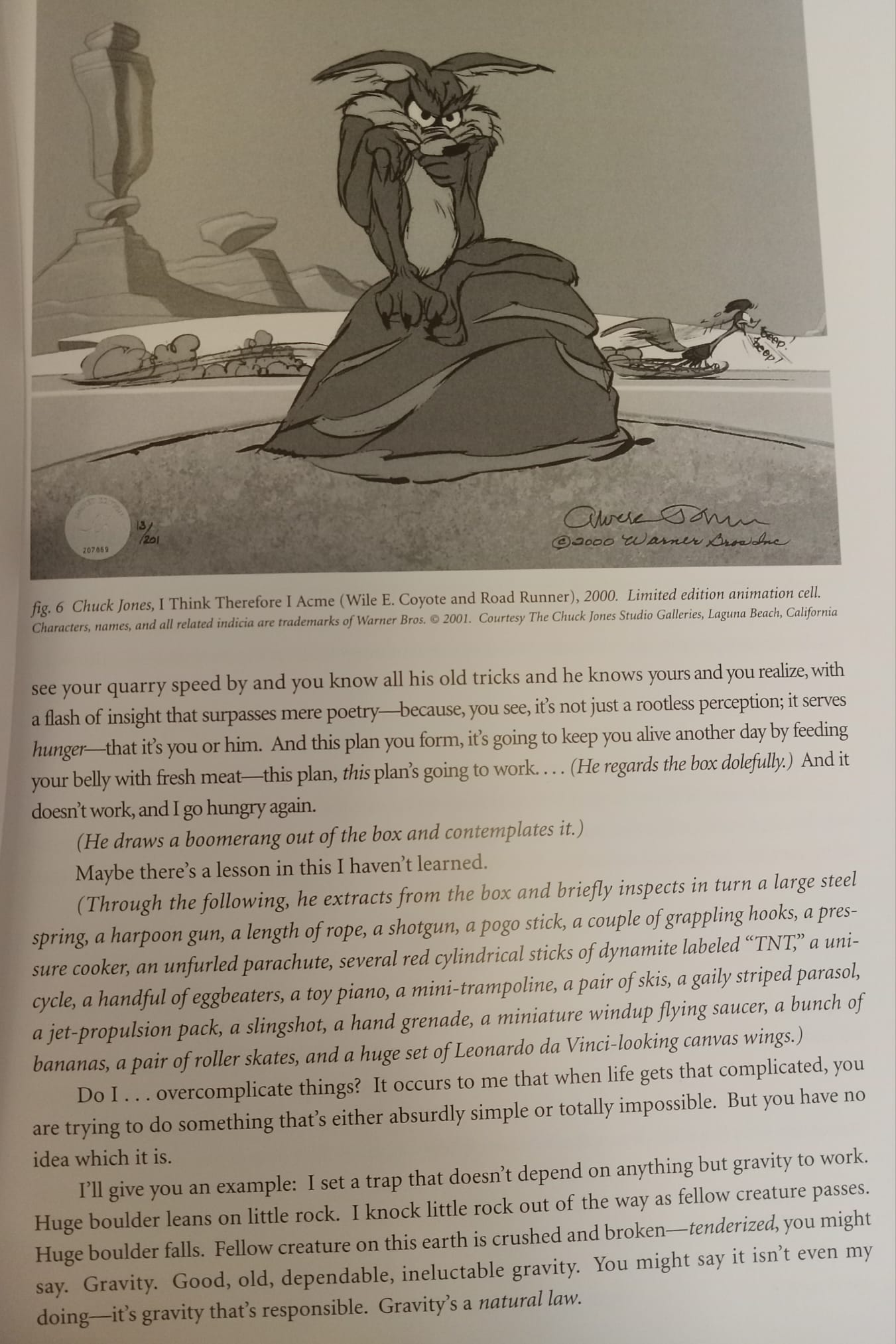
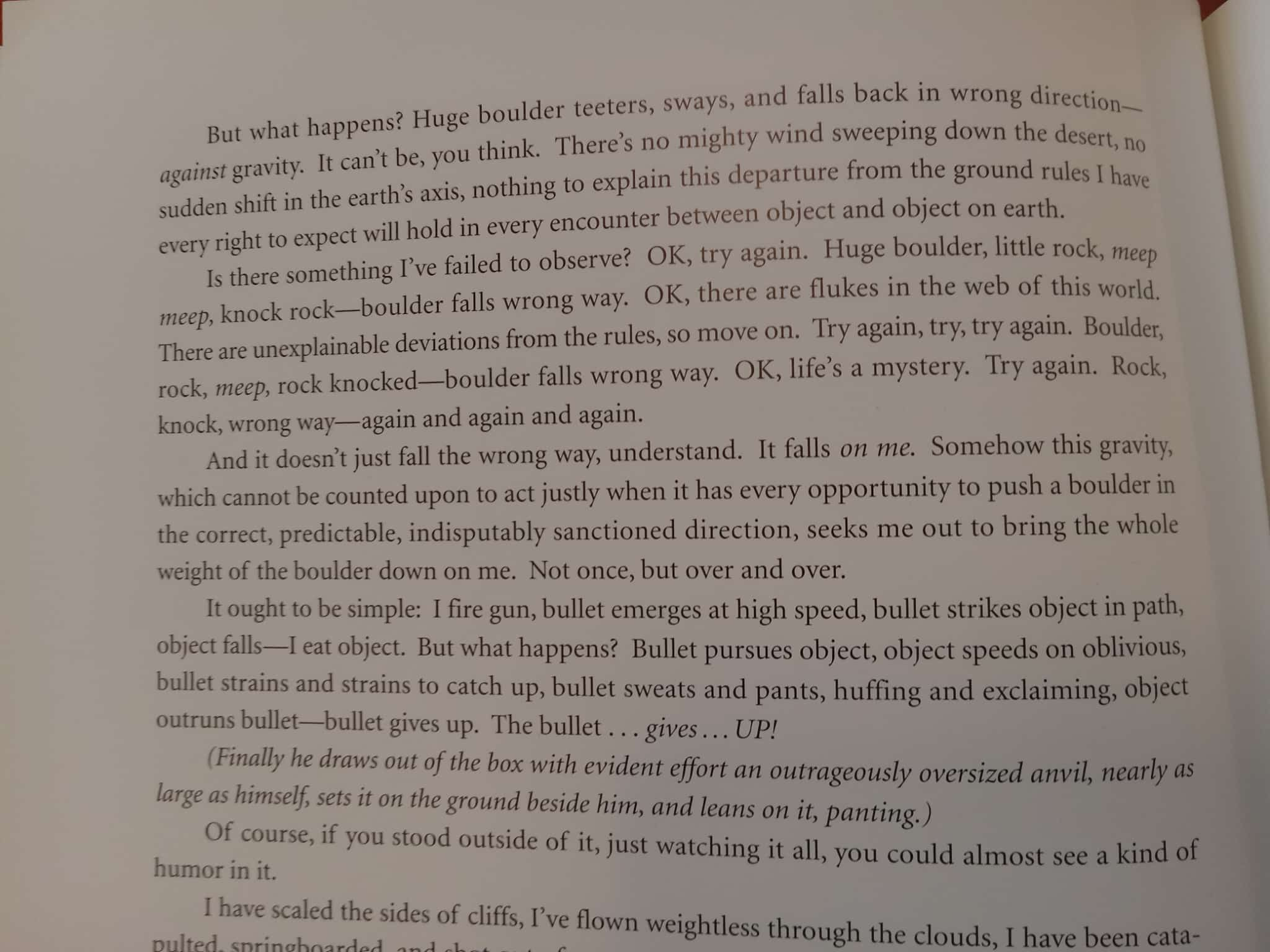
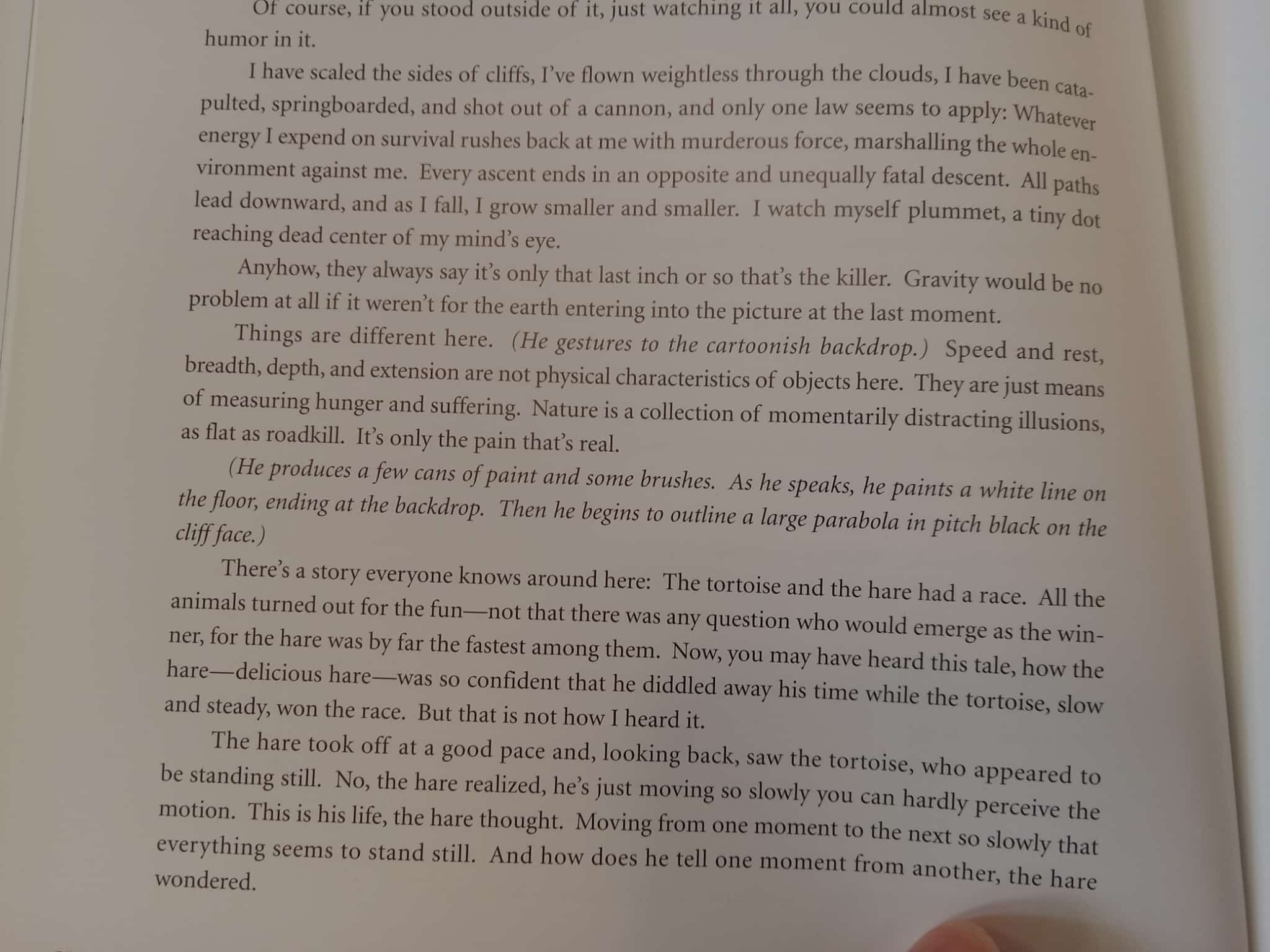
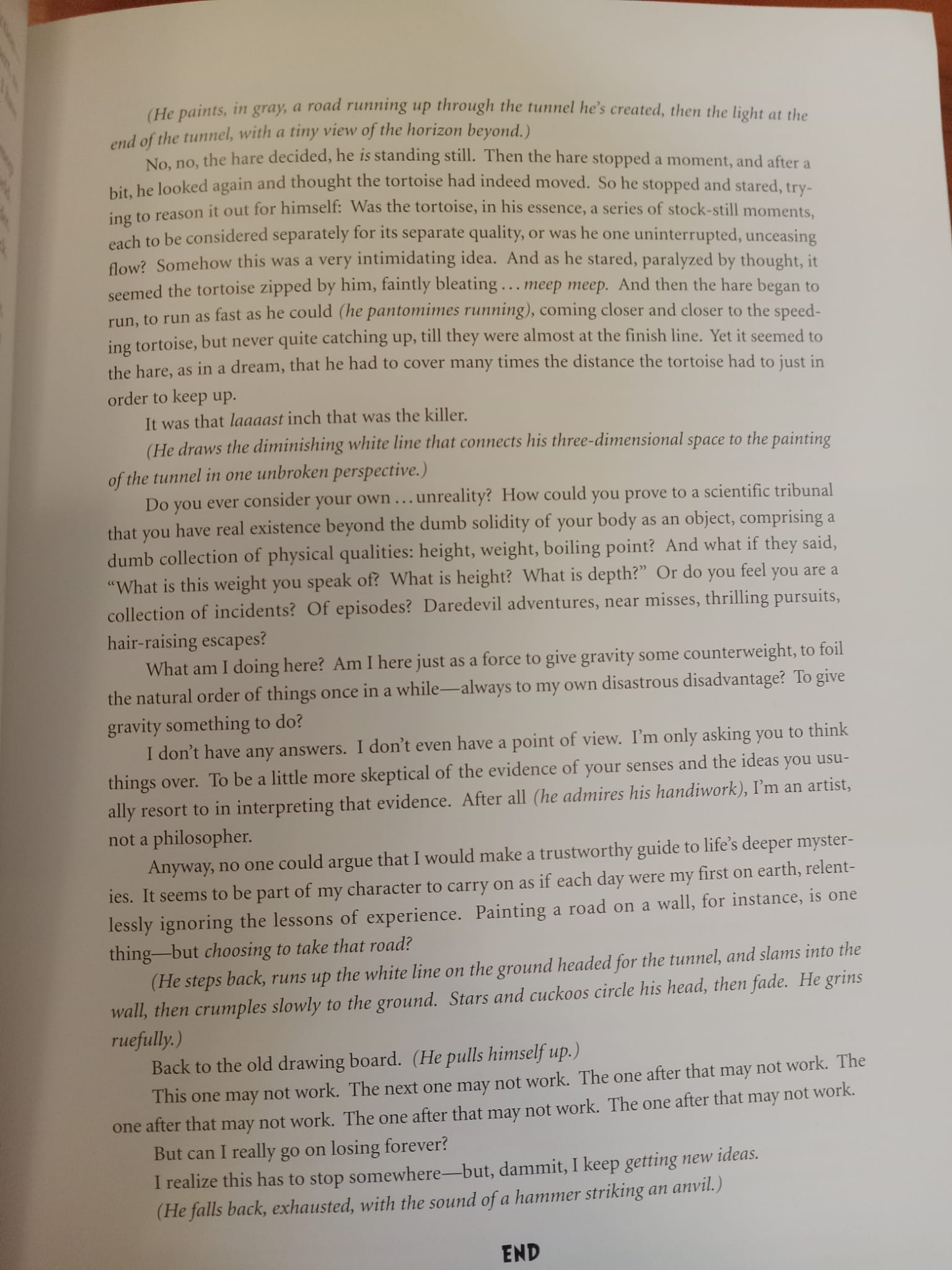
Well your mileage may vary, but I find this sort of thing delightful (I tried to get my Zoomer bf, who grew up without television, into Looney Tunes, but they landed—and especially Roadrunner vs. Coyote—with a mirthless thud: “don’t they ever talk?”).
In an earlier life, before and during his PhD in literature (“A Problem in Keats’ Lamia,” 1979), Welt was a member of the gay poetry world, published in Dennis Cooper’s collection Coming Attractions and Little Caesar journal (which I’ve written about here). He was not one of the most talented members (who included the brilliant Tim Dlugos), but it’s not terrible either.
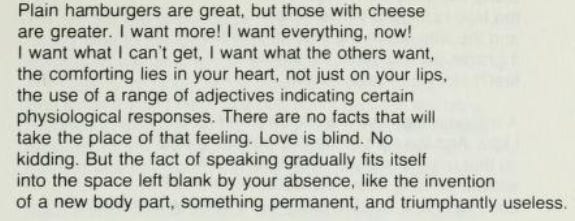
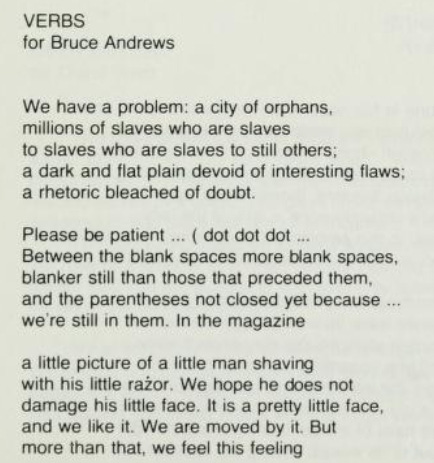
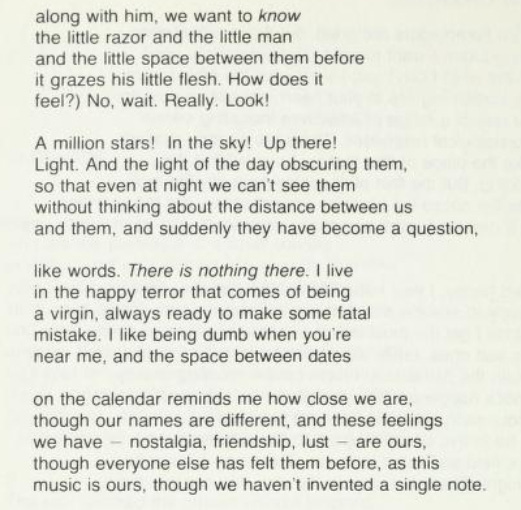
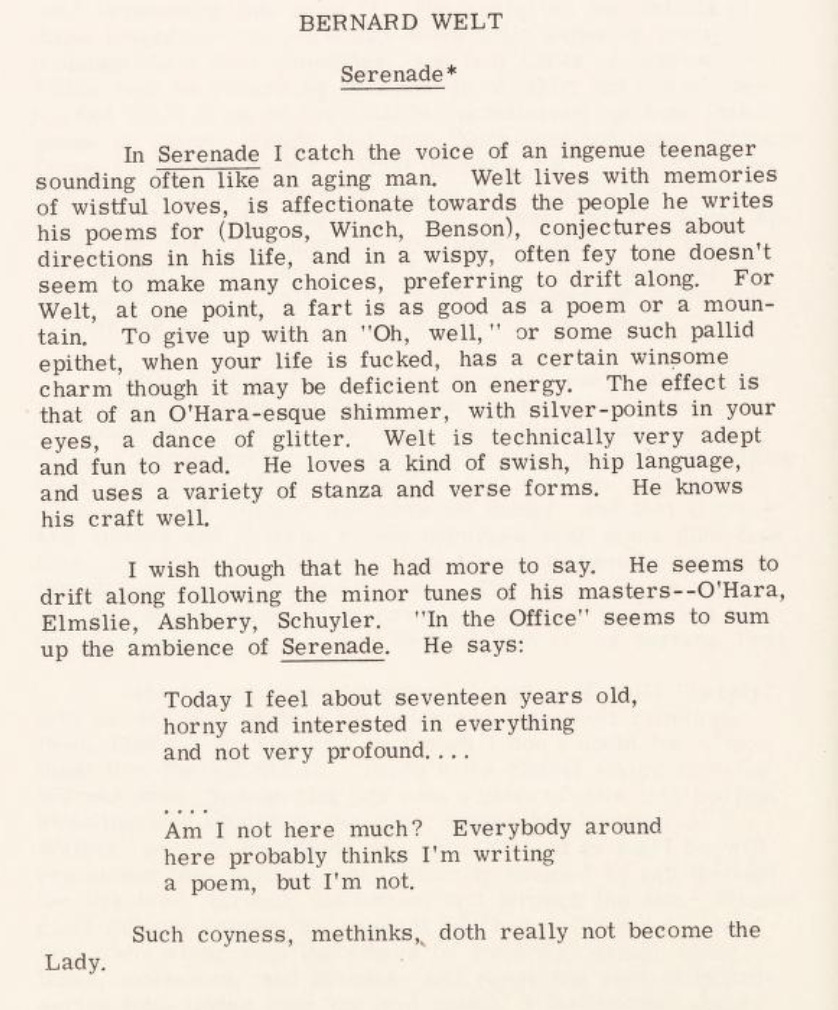
The gay poetry critic Robert Peters, in a 1980 review of one of Welt’s books of poems, names his gay influences (“masters”) and peers (“loves”)—and calls him a “swish… shimmer… glitter… Lady.” Well, as Renee Rapp says, the more gay you are, the more homophobic you become (my ignorant gay ass, by the way, only recently read Schuyler’s The Morning of the Poem (1980) which is astonishingly explicit in its gayness, and so astonishingly good).
So great to see you dive deep into Bernard’s most brilliant, hilarious mind!
“When life gets complicated, you do something that’s either absurdly simple or utterly impossible. You just don’t know which is which.” …that’s perhaps the best description I know of art, of what Bernard was doing in his writing, and of what you are doing in your work. Ad Astra.
Hi Blake. Thanks for this. It was always an honor to appear in Art issues, with Dave Hickey and Libby Lumpkin and a bunch of other very good writers. (I actually miss Dave very much; if you know of anyone writing now with his style of thought and prose, I wish you'd tell me.) I was lucky that Gary liked my pitch to write about ideology in popular art. I was teaching at the Corcoran School of Art in DC and actually got hooked up with Art issues through my friends Dennis Cooper and Donald Britton. After about 2000, I got increasingly involved in dream studies, and a lot of what I wrote afterwards was short essays about dream themes in cinema. And poetry. I'm impressed that you found "Against Nature." I wonder if you came across "A Reply to My Critics," which was written for a Raymond Pettibon catalogue. I think the serial killer who styles what they do as performance art is a cliche now, but I got there early.
I don't know that you need to concern yourself with Dreaming in the Classroom. It's really for teachers of dream studies, and was co-written, so we deliberately homogenized the style.
I do have a poem that I think is good in The Best American Poetry 2025, which as you may know is the last of that venerable series. I'm putting a manuscript together, haven't had a book in a very long time. That Robert Peters review did irritate me, but honestly, it was hard to take seriously; I'd seen him sniping at gay male writers who got any attention at that point.
I certainly agree with you about Tim Dlugos. I've participated in a few tributes to Tim, and have ended up in conversations about how he might be -- it seems crass to say it this way -- more promoted and recognized, and on just the issue that you discuss in your essay (I had just time today to read it, but I'll get to some of your other work soon)--how we know any number of people who know him as a gay poet but not a lot outside the magic circle. Maybe you can think of a way to do this? You seem very well equipped; maybe a collection of takes on Tim? There's someone who did a graduate paper on Tim's prosody, which is a very interesting angle. I attended a celebration of James Schuyler at NYU a few years back, at which a couple of academic papers were just deadly, while the reminiscences and appreciations were wonderful. Maybe you know the book that Steve Lafreniere put together about Hudson, of Feature gallery in Chicago and then New York, "We Were Talking About Hudson." Similarly, for me, anyway, about Frank O'Hara: I'm glad when people take him seriously, but the stories about him seem better than any analyses of the work.
A thing you might not know: Donald Britton came into the first year of my PhD program when I was starting second year, and I was convinced that the faculty had chosen him as a playmate for me. We were both pretty deep in French Symbolist poetry and New York School, and in fact he wrote an extensive paper on O'Hara when I was writing one on Ashbery. It was through meeting DC poets that Donald met Tim, who was his inspiration for moving to New York, as Dennis was later his inspiration for moving to LA.
Stories.
Nice to meet you. I hope things are going well for you.
Bernard